Mersey Docks Capital Allowances Case – Upper Tribunal Overturns FTT Decision
The Upper Tribunal (UT) has overturned the First-tier Tribunal’s (FTT) earlier decision in The Mersey Docks and Harbour Company Limited v HMRC, which had concluded that expenditure incurred on the construction of a quay wall qualified for plant and machinery allowances (PMAs).
The case has now been referred back to the FTT for reconsideration.
Background
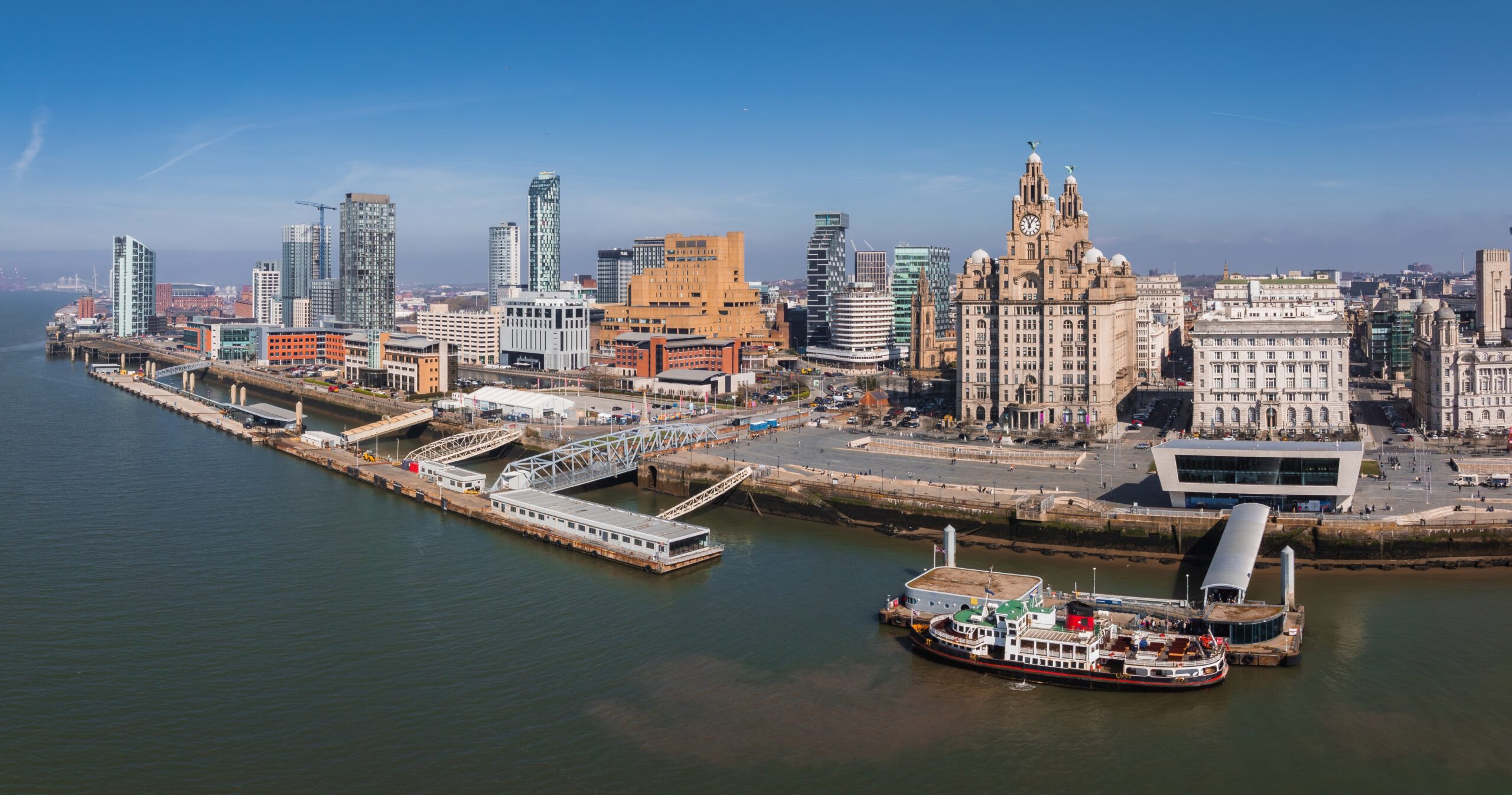
The dispute concerned £57,134,538 of expenditure incurred by Mersey Docks on the construction of a quay wall at a new deep-water container terminal at the Port of Liverpool.
The FTT originally ruled in favour of Mersey Docks, concluding that the expenditure qualified for PMAs under section 11(4)(a) of the Capital Allowances Act 2001 (CAA 2001). It also determined that the expenditure was saved from the statutory exclusions by Item 1 of List C in section 23 CAA 2001, due to the quay wall’s role in facilitating the installation and operation of ship-to-shore (STS) cranes.
Upper Tribunal Decision
HMRC appealed the decision, arguing that the FTT had incorrectly applied the relevant legal principles.
The Upper Tribunal identified material errors in the FTT’s reasoning, particularly its assessment of whether the quay wall constituted plant and machinery and its interpretation of section 23 CAA 2001.
The Upper Tribunal found that the FTT had incorrectly assessed the quay wall and the ship-to-shore (STS) cranes as a combined asset. The cranes were positioned on top of the quay wall, which provided the necessary support for their operation. However, the UT considered that the FTT had placed too much emphasis on this relationship, rather than assessing whether the quay wall itself functioned as plant or merely formed part of the premises from which the business operated.
It also found that the FTT had not adequately explained its assessment of the quay wall’s various functions, including supporting the cranes, providing berthing facilities and retaining reclaimed land.
Furthermore, the UT disagreed with the FTT’s application of Item 1 of List C in section 23 CAA 2001. It clarified that expenditure must have a sufficiently close connection with the provision of machinery to qualify, rather than simply being necessary for that machinery to operate.
Consequently, the UT set aside the FTT’s decision and referred the case back to a new FTT panel for reconsideration. This was necessary because the errors of law identified by the UT prevented it from reaching a final decision on whether the quay wall expenditure qualified for PMAs. The reconsideration will focus on the matters affected by those errors, rather than requiring a full rehearing of the case.
Lovell Consulting’s View
The decision highlights the complexities of determining whether expenditure on specialist structures qualifies for PMAs, particularly where structures perform multiple functions.
Importantly, the Upper Tribunal has not definitively ruled that the quay wall expenditure is ineligible for allowances. Instead, the case reinforces the need to carefully assess the function of an asset and the relationship between construction expenditure and qualifying plant and machinery.
For businesses undertaking major infrastructure and construction projects, this emphasises the importance of detailed technical analysis and a thorough understanding of the relevant capital allowances legislation.